
The Parking Slot
For everyone sitting in their Bardo, their gap, right now.


Not all gaps are equal
The Bardo Thodol - loosely, and a little misleadingly, translated as the Tibetan Book of the Dead - describes the gap. The in-between. Not death, not rebirth. The state between one thing dissolving and the next thing forming. The Bardo Thodol describes 6 Bardos, including our conscious waking state, dream state and meditative state.
I’m in one right now. And it’s quiet, calm.
It wasn’t always like that.
The thirty days countdown
In 2001, a gap found me. Not the peaceful kind. Nine-eleven, the dot com bubble bursting, our org going from a vibrant creative space to being sold-off for almost nothing. My work visa in the UK now had a thirty day countdown to expiry. Thirty days to relocate, give up an apartment we loved, dismantle a life we had built, and face a question we didn’t know how to answer: is there a place for me, for us, here?
The storm in my mind during that gap was something I’ve never quite forgotten. The anxiety wasn’t abstract - it had a deadline, a timer, real losses accumulating daily. The question wasn’t philosophical. It was urgent. It always is, when the gap finds you rather than you finding it.
This also wasn’t the last time that the gap would find me! It found me again between leaving Flipkart and starting up, then shutting down, and moving to the next. It found me again as Udaan went through it’s round of layoffs. Each time it has found me less anxious and more assured. I have had a lot of practice.
This time around, I found it first. I left Deutsche Bank intentionally - dates circled, plans made, and enough self-awareness to know what I wanted the gap to feel like. I have been filling it with kaapi conversations, daily sketching, family time long postponed, short breaks. The calendar dissolved. The timeline became terrifyingly, and happily - free.
I tell you this not to contrast my calm with anyone’s storm. I tell you this because I know what the storm feels like from the inside. And because across many coffees in the last few weeks, I’ve been sitting with people who are in it right now.
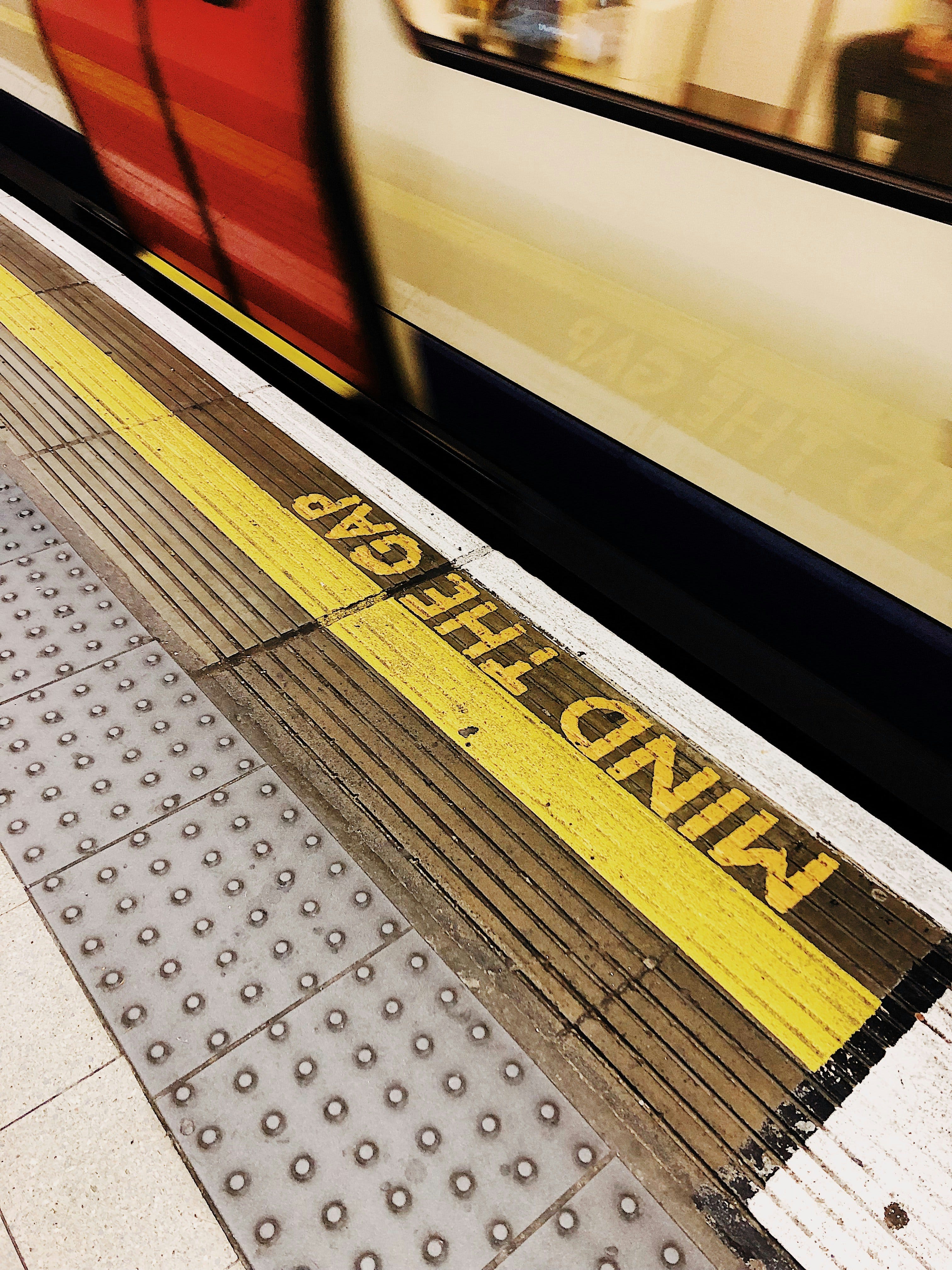
Mind the gap
Three kinds of people keep showing up at my table.
The first is early career: three to six years in, made redundant over an email in the middle of the night. Still has hope and enthusiasm, which is the right response, even if it doesn’t feel like enough right now. The wound is fresh but the clay is still soft.
The second is mid to senior: fifteen to twenty years of experience, left because of politics or incorrect levelling or caregiving or some combination of all three. Has been trying to get back for a year, sometimes two. Finds that the landscape has shifted in ways that are hard to name. The skills are real. The confidence is shaken. The industry feels unfamiliar in a way it never did before.
The third is senior leadership: twenty-five years, managed large teams, delivered outcomes. Left, or was made to go, with the kind of vagueness that is its own particular indignity. Now finds that the leadership ask has changed fundamentally. It’s no longer about managing tasks and outcomes and holidays and increments. Something else is being asked for, and even the people doing the asking aren’t entirely sure what it is.
Three different situations. One shared question, asked in different ways, with different levels of concealment: Is there a place for me?
A place for me?
Here is my honest answer.
No. There isn’t.
Not one waiting for you. Not one with your name on it, held aside while you figured things out. The industry is not a waiting room.
But here is what I’ve also come to believe, sitting across from these people, kaapi going cold, neither of us noticing:
You don’t find your space. You carve it.
And to carve it, you need to know - with some precision, not just a feeling - what you uniquely bring. What the world might actually need. Where those two things intersect in a way that only you can occupy.
Most people in the gap don’t know this about themselves. Not because they lack the answer, but because they’ve never had to ask the question in stillness. Work fills the space where the question would live. Until it doesn’t.
The Bardo, if you let it, is where the question finally gets asked. And the answer realised.
Fill the gap
So here is where I’d start. Not with a CV update. Not with a LinkedIn refresh. Not with a flurry of applications.
Start with your inflection points.

Go back to go forward
Go back. Look at the major decisions of your career and your life — not just the professional ones. The choice of what to study. The city you moved to or didn’t move to. The job you took for the wrong reasons. The one you left too early or stayed in too long. The relationship that changed how you worked. The mentor who shaped how you thought.
For each one, ask: how did that actually happen? Not the official version. The real one. Who influenced you? What were you afraid of? What did you want that you didn’t say out loud? What did you decide, and why?
Most people have never looked at their own decision-making pattern with any honesty. They’ve lived it, but they haven’t examined it. And until you understand how you actually make decisions — not how you think you do — you can’t trust the next one.
This is not a comfortable exercise. It will show you things about yourself that are inconvenient. It will also show you things that are genuinely surprising — strengths you’ve been carrying without noticing, values you’ve been honouring without naming them.
Do this first. Before anything else.
Blind spots and open skies
Then, once you have some sense of the pattern, do the harder thing: ask the people who know you.
Not “what am I good at?” That question gets you compliments. Ask instead: “What do you see me doing that I don’t seem to see myself?” Ask your peers, your former colleagues, the people who have watched you work. Ask them to help you find your blind spots.
This requires a particular kind of courage - the willingness to hear something that doesn’t fit the story you’ve been telling yourself. But the blind spots are often where the most useful things live.
Then read. Go for walks. Go to meetups and conferences - not to network in the transactional sense, but to feel where the energy is, where the conversation is moving, what problems are becoming urgent that nobody has solved yet. Understand where the industry is headed. Not to chase it, but to find the intersection between where it’s going and what you genuinely bring.
Where does your value lie? What does only you see, because of the specific combination of things you’ve lived and chosen and survived?
That’s the space you carve.
The storm passes
There are no easy solutions here. I want to be honest about that. The gap is real. The landscape has changed and will keep changing. Some of the roles that existed five years ago won’t come back. Some of the ladders have been pulled up.
But I’ve also sat across from enough people in enough gaps to know this: the ones who come through it with something better than what they had before are not the ones who waited for the space to open up. They’re the ones who got quiet enough to hear what they actually had to offer - and then found the courage to offer it, in a form the world hadn’t quite seen before.
The Bardo is not the enemy. The storm in your mind is not the enemy either - it’s information. It’s telling you that something real is at stake. That’s correct. Something real is at stake.
But the storm passes. And in the quiet after it, if you’ve been paying attention, you might find something you didn’t know you had.
I did. Each time.
PS: A coach, a mentor, and a financial advisor are always worth seeking in your Bardo. Not to tell you what to do - but to help you hear yourself more clearly, plan with more confidence, and move with less fear. You don't have to navigate the gap alone.
It's 1am in my part of the world and I clicked on the Substack notification because I couldn't remember whose it was. I'm so glad I did because this just came in at the right time in my life. I've been trying to find answer to that exact same question and have been looking for a mentor too. Thank you for sharing your journey so beautifully.
‘But the storm passes. And in the quiet after it, if you’ve been paying attention, you might find something you didn’t know you had.’ Beautiful. Enjoy your hard-earned bardo, J!